
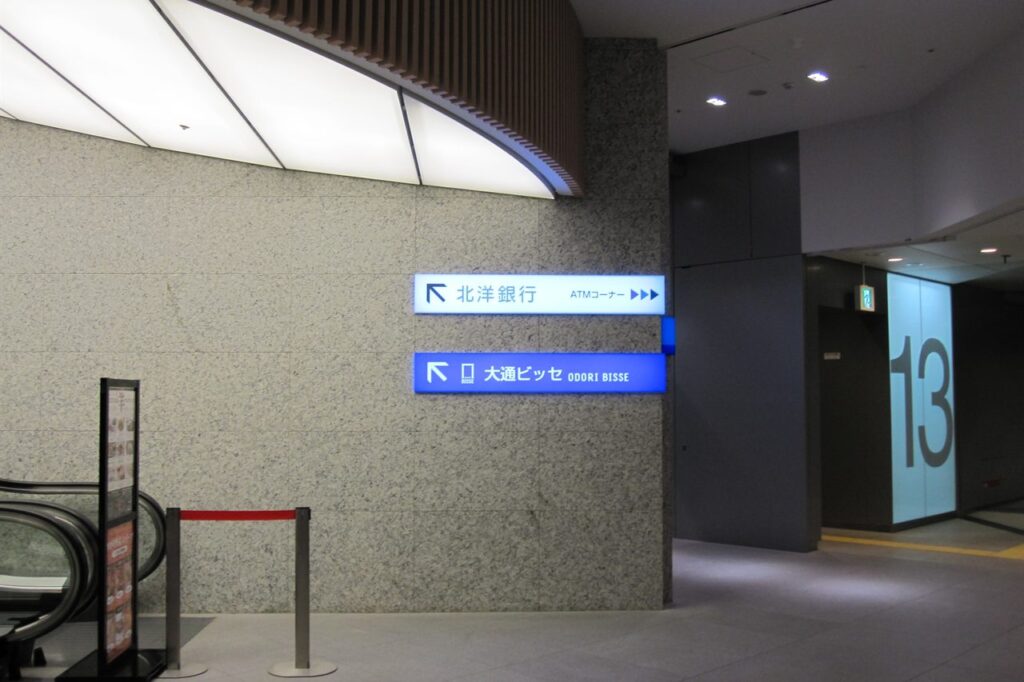
In Sapporo, start with the signs and staff instructions at the place you are visiting. Make room before stopping for a photo, carry a small bag for rubbish, and keep entrances clear when checking your route. These habits make travel easier for you and the people who use the city every day. Local rules and general Japanese etiquette are not always the same thing.
- Check signs: photography, entry, food and smoking may have separate rules.
- Leave space: move out of doorways and keep your bags close.
- Ask first: a short question is better than guessing permission.
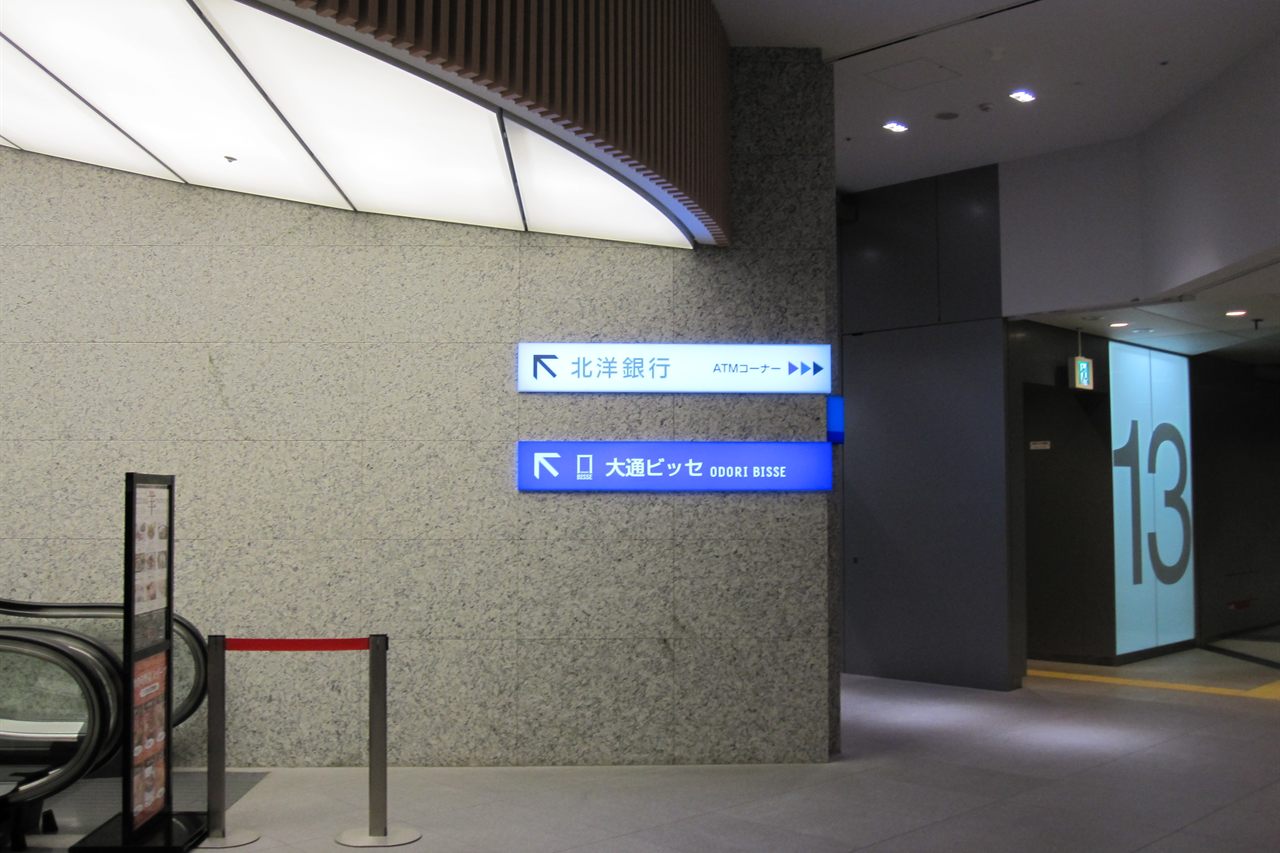

Take photographs from somewhere people can still pass
Do not enter a road, railway or private property to recreate a photograph. Inside a shop, exhibition or shrine, check the local signs before raising your camera. Permission to take a still photograph does not necessarily cover flash, video, a tripod or commercial use.
Ask before making a person the subject of your photograph. If you plan to post it, ask separately about sharing it on social media. A person agreeing to a photograph has not automatically agreed to every use. Put the camera down occasionally to check whether your group or bags are blocking the route behind you.
What if there is no rubbish bin?
Keep a small rubbish bag in your day bag. Use labelled collection bins only for the items shown: a bottle-recycling point is not a general food-waste bin. Ask a shop or your accommodation before leaving rubbish with them, and do not use residential collection points as tourist bins.
Sapporo prohibits littering throughout the city. Smoking rules vary by location; in designated smoking-restricted public areas, smoking while walking or without a nearby ashtray is prohibited. Do not assume that being outdoors means smoking is permitted. Find a designated smoking space and follow its signs.
In stations, underground passages and vehicles
Move away from ticket gates and entrances before opening a map. Do not stop immediately after stepping off an escalator. Keep suitcases under your control rather than spread across a walkway; if you need to regroup, choose somewhere that leaves a clear route for others.
Find the end of the queue and follow floor markings. Let passengers get off before boarding. Keep voices low and avoid phone calls on public transport; use headphones without letting sound spill out. If large bags make a crowded trip difficult, consider storage before sightseeing. Read our subway ticket guide for payment decisions.
Food, reservations and baths: check the particular venue
Use a shop’s or event’s designated eating space where one is provided. Eating while walking is not a single nationwide ban, but carrying food through a packed passage or using another business’s seating can inconvenience others. Ask where you may eat if the arrangement is unclear.
Save the confirmed time, party size and cancellation contact for a restaurant booking. Contact the restaurant or booking provider as soon as a delay becomes likely. Bathing and shrine visits have their own procedures; consult the dedicated guides instead of trying to memorise a long list of general rules.
Four useful questions
- 写真を撮ってもいいですか? — May I take a photo?
- SNSに載せてもいいですか? — May I post it on social media?
- 列の最後尾はどちらですか? — Where is the end of the queue?
- このごみはどこで捨てられますか? — Where may I dispose of this rubbish?
You do not need to be anxious about unfamiliar customs. Ask, listen and adjust. This is practical guidance based on official sources, not a claim of a firsthand visit. Sources checked: 17 October 2026.