
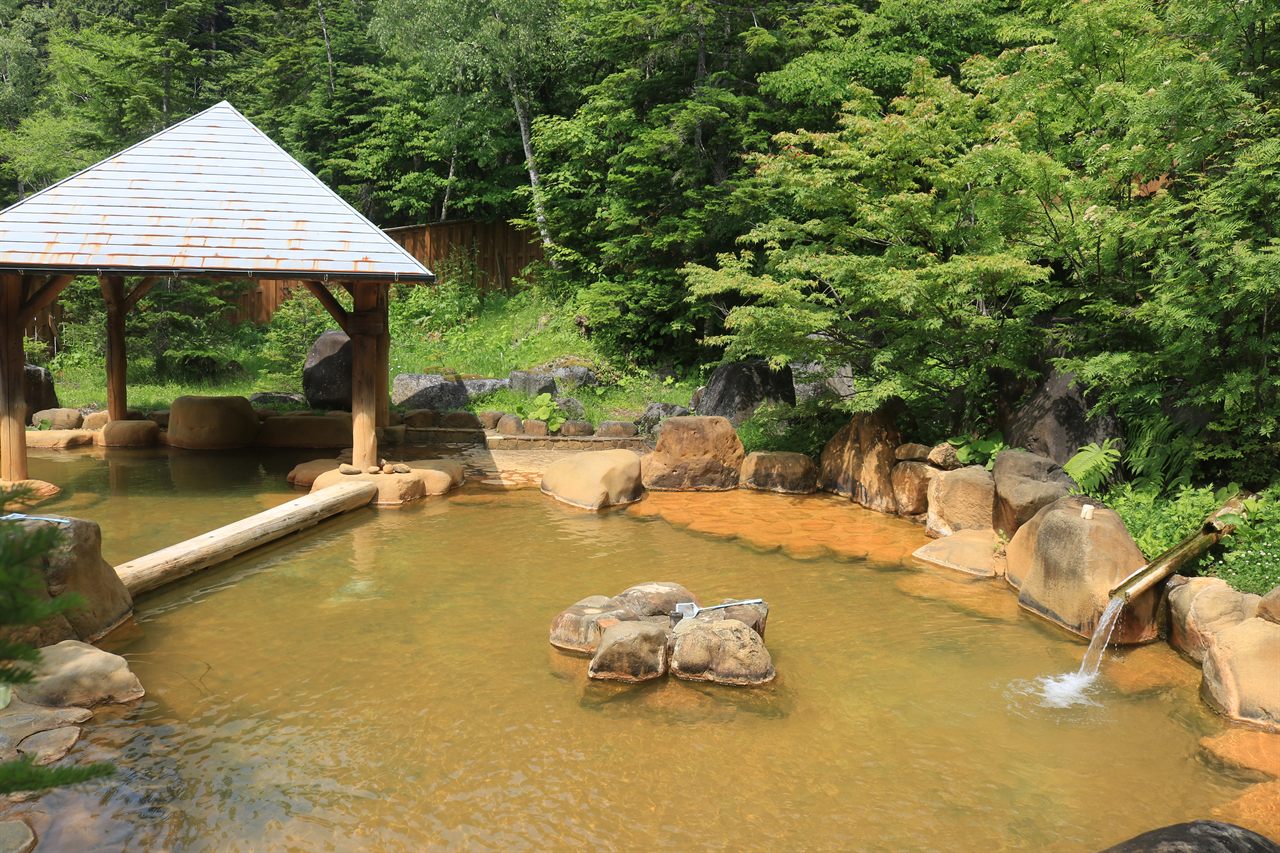
For a first visit, follow five steps: check the rules at reception, change, wash, soak, then dry off and dress. Ask about towels, keys and extra charges before you change. Check tattoo and child-admission rules for the specific facility before travelling.
Check the facility’s own rules before entering.
Confirm access, payment and posted house rules.
Store clothes and belongings in the designated place.
Wash at the washing area before entering the bath.
Use the bath in line with local signs and other guests.
Dry off, dress and collect every item before leaving.
Tattoo, age, towel and bathing rules vary by facility; check the one you visit.
This guide connects reception, the changing room, washing area, bath and exit. Onsen describes hot-spring bathing, while daiyokujo means a large communal bath; the terms are not interchangeable. Begin with the particular facility’s admission and clothing rules.
The shared bath is for soaking, not washing
Washing and soaking take place in different areas. The washing area has showers and often stools. Wash there and rinse soap off before entering the shared water. It is not a swimming pool.
A small towel can serve washing or covering while moving; a larger towel can serve drying afterwards. Keep the small towel and long hair out of the bathwater. Two towels are not necessarily supplied free, so read the bring-your-own, rental or purchase arrangements.
The changing room is for undressing and dressing, separate from a lounge. Resolve questions about keys and payment at reception before undressing.
1. Before you go: check admission conditions
Confirm day-use availability, last admission, closing time, towel provision and fees. A hotel bath is not necessarily open to non-guests. Bring the venue name and booking details so you can ask about the right bath.
Tattoo rules vary. Do not assume a small tattoo or a covering sticker will be accepted. Ask the facility directly. A private bath also has its own reservation, time and admission conditions.
If communal bathing does not suit you, consider a private or in-room bath. Ask what “family bath” includes, who can use it and whether a reservation is needed.
For a late day-use visit, arriving before last admission may leave little time. Ask when bathing must finish and when you must leave the facility, allowing time to change and collect belongings.
For a private bath, confirm permitted group size, session length, what the price includes and the changing arrangements. Private use does not automatically waive tattoo or other admission conditions.
2. At reception: check keys and payment
Remove shoes where the entrance instructions require it. Ask reception about the sequence. Keep any shoe-locker key, clothing-locker key or payment wristband until the facility tells you to return it.
Read the bath entrance labels, including 男湯 (men’s bath) and 女湯 (women’s bath). Do not rely only on curtain colours. Some facilities swap bathing areas at specified times, so check on each visit.
Leave clothes and belongings in the designated place. Ordinary communal baths are usually used without swimwear, but some venues specify bathing garments or swimsuits. Follow the rules of the bath you are actually entering.
3. Put your phone away before entering
Changing and bathing areas are private spaces. Even without taking a photo, holding a phone towards other people can make them uncomfortable. Follow any no-phone instructions and leave the device securely with your belongings.
If you want a photograph of the venue, use its official images for reference or ask reception where photography is allowed. An apparently empty bath is not permission to take photos.
4. Wash and rinse, then soak
Use the washing area before entering the tub and rinse off the soap. Aim the shower so it does not spray neighbouring bathers. Leave the washing place ready for the next person.
The shared tub is for soaking, not washing. Keep towels out of the water and tie long hair up. Avoid swimming or splashing, and keep conversation at a considerate volume.
Balancing a towel on your head is optional. A suitable place outside the water is enough; do not leave it where it obstructs others.
5. Dry off before returning to the changing room
Dry off before going back into the changing room, so you do not leave the floor soaking wet. Share mirrors and drying facilities considerately. Check that you have your belongings.
Return keys or wristbands and settle any additional purchases as instructed. If the route or conditions are unclear, ask reception before entering rather than copying another guest whose arrangements may differ.
Japanese labels to recognise
| Japanese | Meaning |
|---|---|
| 日帰り入浴 | Bathing without an overnight stay. |
| 男湯・女湯 | Men’s / women’s bath. |
| 脱衣所・洗い場 | Changing room / washing area. |
| 露天風呂 | Outdoor bath; this does not mean swimwear is required. |
| 貸切風呂 | Private-use bath, usually subject to booking or time conditions. |
| 最終受付 | Last admission or reception time, not necessarily closing time. |
Phrases you can show staff
- 「日帰りで利用できますか?」 Can I use the bath without staying overnight?
- 「タオルは料金に含まれていますか?」 Are towels included in the price?
- 「タトゥーがあります。利用条件を教えてください。」 I have a tattoo. Please explain the admission conditions.
- 「貸切風呂は予約が必要ですか?」 Does the private bath require a reservation? Also ask about time and price.
For two people, agree where to meet outside
If two travellers use different bathing areas, choose one meeting place first. Both may be without phones: “meet in this lounge” gives the visit a clear end. Keep shoe keys, locker keys and any facility clothing in their respective places.
You do not need to try every pool or sauna on the first visit. Learning reception, washing, soaking, drying and dressing is enough to make the sequence manageable. If health circumstances raise questions about whether you should bathe, seek appropriate medical advice rather than relying on a general travel guide.
For children or mixed-age groups, ask about age and family-use arrangements before admission. If the shared bath does not suit the group, choosing not to bathe is also a valid plan.
Dry off before returning to the changing area, collect clothes and possessions, then finish keys and payment. Understanding a shared space matters more than completing the etiquette quickly.
Small details that make the day easier
Use the day-bath directory to compare practical features
Jozankei’s tourist association has filters for day-bath facilities, private baths, rest rooms, transport and free towels. Those are useful starting points, then the chosen facility’s own plan determines what you actually receive.
For a first visit, shortlist two places using the feature you need most. Compare the full plan, not just the bath photograph: towels, meal, rest space, reservation and return transport. A lunch-and-bath offer cannot be compared fairly with an entry-only price unless you separate the included items.
For a lunch-and-bath example, the Mori no Uta Jozankei day plan bundles a return bus, bath entry and lunch. It requires advance collection of a physical ticket at Sapporo TV Tower; bookings are non-cancellable and non-refundable, and this bath does not admit guests with tattoos. Check the collection instructions and date-specific plan before comparing it with an entry-only bath.
To plan the journey as well as the bath, see our car-free Jozankei day-trip guide for the return bus and the different booking steps used by each seller.
A footbath is a different outing
The directory also lists footbaths and handbaths. Taro-no-Yu is listed as a free footbath with a towel vending machine. If you only want a short stop, this is a different option to investigate rather than paying for a full shared-bath visit you do not want.
Check access and current operation, bring a way to dry your feet and pack the wet towel separately. Clothing and shoes that are easy to adjust help. Keep the final bus and the walk back in the plan; a free stop still takes travel time. Do not treat a footbath photo as proof that a hotel’s full baths can be entered for free.
Official sources checked 3 October 2026: Jozankei day baths / Taro-no-Yu
Official information and scope
This guide combines official information and planning proposals. No newly added passage claims a firsthand visit or ride. Check fares, services, opening hours and facility conditions for your travel date.