
Start with the canal, a meal and one optional stop; protect the return to Sapporo before filling the day. Use Otaru Station for a simple canal-first route, then shorten the walk if weather, bags or queues change your plans.
Choose one main focus and protect your return time.
Use Otaru Station as the starting point; confirm your train and the route to your first stop.
Walk a manageable section, or check whether a cruise suits the day and is operating.
Fit a meal, shop or another sight into the time left rather than trying to cover everything.
Keep the Sapporo return train and any dinner or bag-collection deadline in view.
This is a planning sketch, not a scale map. Check current schedules and opening details.
This guide builds a day around arriving at Otaru Station, seeing the canal, having a meal and choosing one extra stop before returning. It is a planning proposal based on official information, rather than an account of a personal visit. Check travel-day timetables and opening information before booking.
The canal is an introduction to a port town
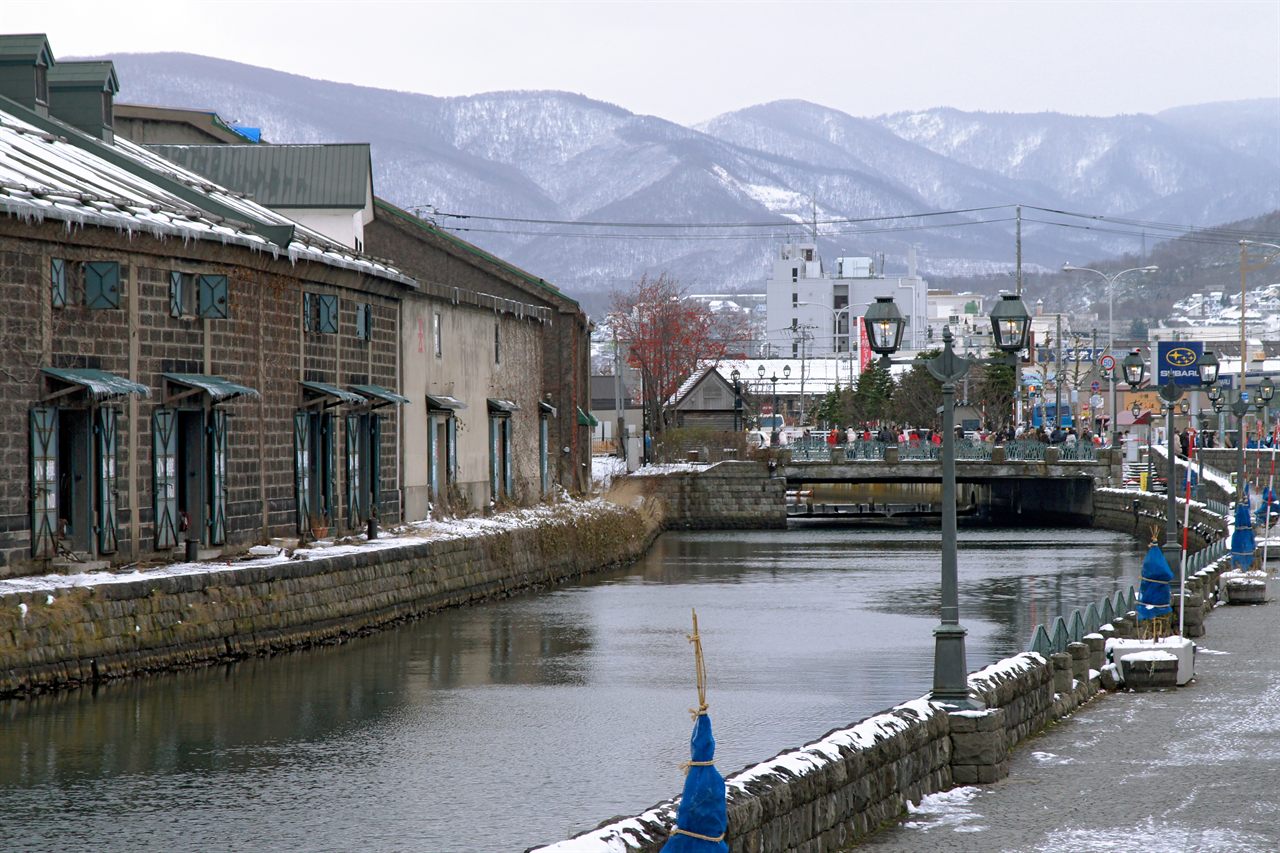
Otaru Canal was not built as a tourist attraction. The Otaru Tourism Association explains that it was completed in 1923 to help small cargo boats reach the shore. Reclaiming land offshore produced its gently curved shape.
Look at the warehouses and the curve as well as the water. Knowing that cargo once moved here gives a photograph context. The association describes the northern canal as retaining its original width and a port-town landscape of boats and warehouses. Official canal history and access
Consider Asakusabashi for a familiar canal view, or research the northern canal if the port landscape interests you. Both need not be compulsory on a first visit. Choose the view and walking range that suit today.
If you would rather explore the port town with an English-speaking guide, this Otaru day or evening walking tour is another option. It starts and ends near Otaru Station; the daytime option takes about 2.5 hours and the evening option about 1.5 hours. It is a paid guided experience separate from the self-guided plan here. Check availability, meeting point and inclusions for your date before booking.
Choose your station from the first destination
Otaru Station is a clear starting point for a first canal itinerary. The tourism association gives approximately ten minutes on foot to the canal. That is an access estimate, not a complete visit including crossings, photographs or shops.
If a particular shop is your first destination, compare walking routes from Otaru and Minami-Otaru. They are separate stations. Save the actual address, look at outdoor sections and slopes, and check official accessibility information where a map is insufficient.
- Save one precise first destination.
- Check the route from the arrival station.
- Save the return station separately, so the end of the walk has a clear direction.
For the transport choice, see Compare JR and the Highway Otaru bus, and choose your Otaru stop.
At Sapporo Station, read the destination as well as the train name
“Airport” is a train service name, not its destination. JR Hokkaido describes direct trains linking Otaru, Sapporo and New Chitose Airport, but check the particular train’s destination and stops. JR Hokkaido route and train information
In the official timetable search, enter Sapporo and either Otaru or Minami-Otaru with your travel date. Save departure time, destination and transfers. If station announcements differ from a saved screen, follow the current information.
Kaisatsu means the ticket gates leading into or out of the paid station area. If unsure where to board, show staff your destination and the train display: “Does this train go to Otaru Station?”
Build the day around canal, lunch and one more place
This is an itinerary model, not measured timing or an official tour. Add travel, waiting and visiting time when the date is fixed.
| Stage | Plan | If time becomes short |
|---|---|---|
| Arrival | Save the return station and walk to the canal. | Choose one canal viewpoint. |
| Canal | Look at the waterfront and warehouses; take photographs. | Skip an additional distant section. |
| Lunch | Check opening and the wait. | Use a nearby second choice. |
| Afternoon | Choose shopping on Sakaimachi, a café or one facility. | Choose one stop along the return route. |
| Return | Check trains and the route from your current location. | Drop extra shopping or evening views. |
If canal photography is the main pleasure, give it space first. If a particular meal matters most, fit the walk around its booking or available time. The same destination can have a different sequence.
A meal also needs time for waiting
Choose a first restaurant and a nearby alternative before departure. If there is a queue, ask staff for an estimate and compare it with the return plan; the estimate is not a guarantee.
For a reservation, save date, party size, branch and late-arrival or cancellation conditions. See restaurant booking checks. A distant alternative requires a new calculation of travel time.
A stored bag can determine the return station
A one-way walk from Otaru towards Minami-Otaru may look natural on a map. If your bag remains at Otaru Station, you must still return for it. Decide storage and collection before switching stations.
Shopping can add bags too. Avoid making a long walk indispensable when luggage or tiredness might change the plan. Read how to plan bag storage and collection.
Rain or snow means rebuilding a shorter day
The canal walk is outdoors. Keep one desired view and increase time for food or indoors if the weather makes long walking uncomfortable. Check the chosen facility’s travel-day opening, admission and last entry, plus the walk to its entrance.
Being able to walk by the canal does not mean cruises or nearby facilities are operating. Consult the winter Hokkaido travel guide for walking and transport checks.
Choose evening scenery together with the Sapporo evening
If evening canal views are the main attraction, keep daytime walking lighter and include rest. Adding dusk after walking all day can leave tiredness concentrated at the end.
Sunset changes with season, while shop hours and canal lighting are separate information. Check current tourism information and return trains. Protect a dinner reservation or flight first; fit evening views into the remaining time.
The return does not end when the train reaches Sapporo
Add the walk to the station, bag collection and the journey from Sapporo Station to your hotel or dinner. Train arrival and restaurant arrival are different times.
Have a response to missing a train. During disruption, prioritise JR Hokkaido operating information and local announcements. On a flight day, work backwards from the airline’s required airport arrival and shorten Otaru if necessary.
Common questions
Can this be a half-day trip?
A half-day model is possible, but trains, queues and walking range determine actual time. Begin with canal, lunch and one stop; add distant facilities or dusk only with their extra time.
Must the same station be used twice?
No, but check the route and the actual return train. Include any bag stored at the first station.
What if a shop is closed?
Try the nearby alternative while protecting the main interest and return time. Recalculate before crossing town.
Save before departure
- Outbound and return train choices and operating information.
- Arrival station, return station and first destination maps.
- First and second meal choices and any confirmation.
- Bag collection location, deadline and the next Sapporo appointment.
A day with the canal, a meal and one interesting stop can already be complete. Space to return without rushing is part of the visit.
Small details that make the day easier
A canal walk and a cruise start in different places
The cruise ticket office and boarding point are at Chuo Bridge, not at every photo spot along the canal. Its FAQ asks passengers to assemble 15 minutes before departure. The boat has no toilet, and the operator does not store ordinary luggage.
If you want both the familiar canal photograph and a cruise, save two map pins, then put the boarding appointment into the day before adding shopping. Treat a nearby locker as a possible option, not a guaranteed empty space. Go to the toilet before joining the boarding process, especially with children.
Use social pictures to choose a view, not a sailing guarantee
A night photo can tell you which atmosphere you want; it cannot tell you whether your sailing will operate. Check the operator’s current timetable and weather decision on the day. A booked departure may still be cancelled after a sudden weather change. Keep a short canal walk and an indoor stop as a replacement, while preserving your return train.
For seasonal discoveries, Otaru City’s official SNS directory is a useful way to identify genuine tourism and museum accounts. Check the post’s year and event dates, then the venue’s own notice. A beautiful repost of last year’s event is not an event listing for your trip.
Official sources checked 3 October 2026: Otaru Canal Cruise FAQ / Access / Otaru official SNS directory
Official information and the next part of the journey
Canal history, access and JR route information were checked against official material on 3 October 2026. This is not a firsthand ride or visit review. Check your actual travel-day timetable, weather, opening hours and service conditions separately.
Continue with choosing a Sapporo base and New Chitose Airport to Sapporo.