
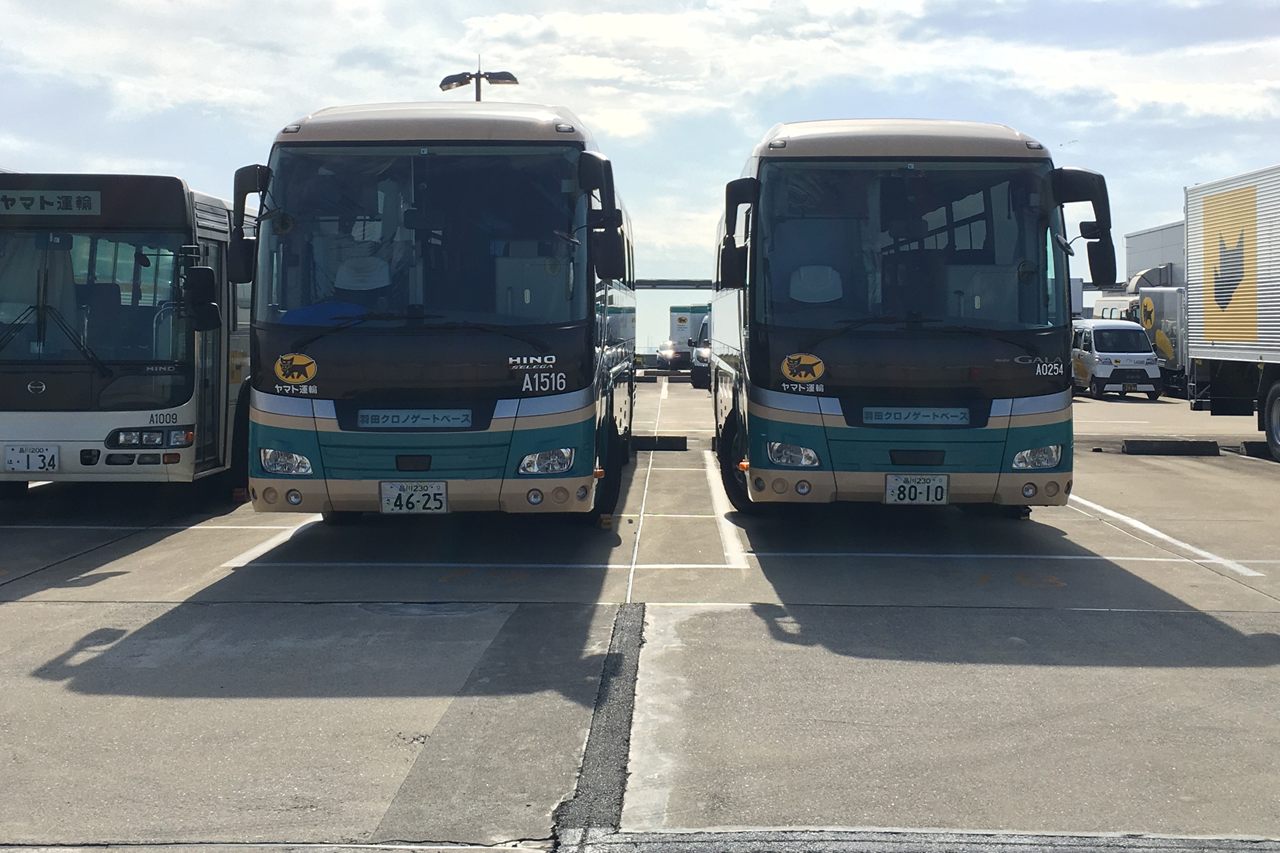
Sending a suitcase to the next hotel can make transfers and sightseeing easier. Delivery is not necessarily same-day, and the destination must agree to receive it.
Work backward from when you actually need the bag.
Confirm acceptance, destination and delivery window for this shipment.
Write the destination and requested date clearly; confirm any counter deadline.
Save the waybill or tracking details separately from the bag.
Check delivery before depending on the bag at the next stop.
Delivery timing and cutoffs vary by service and route; do not assume next-day arrival.
Follow destination confirmation, the shipping form, handover, tracking and collection. Start with when and where you need the bag, then work backwards to dispatch and the things to keep.
Delivery connects the sender with a receiving arrangement
For a hotel, confirm acceptance, reservation name and stay date. If the label and booking names differ, staff may struggle to identify the guest. Do not send to an unconfirmed hotel or shop.
Ordinary delivery and airport delivery have different deadlines and collection procedures. Airport services can require arrival before the flight day; do not assume dispatch on travel day will reach that flight. Confirm the area, counter and cutoff with the carrier.
A shipping form also communicates contact details, requested date and contents. Keep the receipt. Payment methods and size rules vary, so do not assume shipping is included in the room rate.
Arrange hotel-to-hotel delivery in five steps
- Contact the destination hotel first. Ask whether it accepts luggage before check-in, how early, and whether payment must be made by the sender. An apartment with no reception needs a separate arrangement.
- Copy the hotel’s details from your reservation. Have its full address, postcode, phone number, reservation name and check-in date ready. Ask the hotel how to write the recipient. Similar hotel names are a good reason to double-check the address.
- Get a route-specific quote. At your current hotel’s desk or the carrier’s counter, show the destination, date, suitcase and contents. Ask for the total cost, latest handover time and expected arrival. Confirm that this location accepts that service.
- Separate your essentials before closing the case. Keep your passport, valuables, medication, phone, chargers and clothes needed until delivery with you. Ask the carrier about restricted contents; do not guess.
- Check the label and keep the receipt. Read back the destination and date, save the tracking number and take a photo of the bag. At the next hotel, ask reception under the same reservation name.
New Chitose: check the collection counter
Yamato’s airport guide requires dispatch two days before departure, or three in some areas; the handover cutoff depends on the counter. Confirm your own deadline before planning around it. See the official Airport TA-Q-BIN guide.
The official counter list lists New Chitose domestic 1F for pickup and sending, domestic 2F for sending, and international 3F for sending. An international departure does not mean your bag will be waiting in the international terminal. Confirm the collection location and leave time to reach airline check-in.
For same-day delivery between New Chitose Airport and a hotel in Sapporo’s Chuo or Kita ward, Airporter’s luggage delivery plan on KKday is a separate option from Airport TA-Q-BIN. It uses a designated airport counter and requires a hotel with front desk or luggage storage service. Check the drop-off and collection times for your direction, the hotel coverage, bag limits and booking conditions before choosing it.
Price and delivery date: check your own bag
On the official TA-Q-BIN page, choose the sending and receiving areas and check the size chart. Size is the sum of three dimensions; weight also affects the category. The page links to a Japanese delivery-date checker: 発地 means origin, 着地 destination, and お届け予定日 expected delivery date.
Ask the counter to confirm the result with your actual bag and chosen service. A generic “next day” description is not a promise for your route. Do not assume that arriving at New Chitose in the morning means delivery to Sapporo that evening.
Japanese words and a sentence to show staff
- 宅急便/宅配便 — parcel delivery.
- 発送 — sending; 受取 — pickup or receipt. These are different services.
- 元払い — sender pays; 着払い — recipient pays. Check with the hotel before choosing the latter.
- お届け先 — destination; ご依頼主 — sender; 品名 — contents. Describe the contents accurately, with staff’s help.
「このホテルに、○月○日までに届きますか?」
Can this arrive at this hotel by [month/day]? Show the reservation and point to the date. Then ask: 「送料の合計はいくらですか?」 — What is the total shipping cost?
If the bag has not arrived
Check tracking with the receipt number, then ask reception to check the reservation name and delivery area. If the status is unclear, contact the carrier with the tracking number, destination and date you need it. If your itinerary changes, contact both the carrier and hotel before moving on; do not assume forwarding will follow you automatically.
If the counter cannot confirm arrival in time, keep the suitcase with you and simplify that day’s route. Lighter travel is useful; arriving without what you need is less useful.
Send the large bag and spend one night with hand luggage
In this model, keep clothes, regular medication, chargers, valuables and travel documents with you. Once dispatched, the suitcase may not be accessible. Set aside the overnight essentials before closing it.
Carry the tracking number and contact information separately. A tracking update alone may not confirm hotel receipt; ask the hotel and carrier when needed. Check that an early onward departure will not occur before the bag arrives.
For airport collection, check terminal, floor and counter hours. Do not confuse collection with automatic transfer to airline check-in. Leave time to collect and check the bag yourself, and consult the carrier if plans change.
Dispatch when the destination can accept it, delivery timing fits and the essentials stay with you.
Small details that make the day easier
“Suitcase” alone does not describe the contents
Yamato’s acceptance and air-transport rules distinguish batteries and products containing them. A case that also holds electronics needs its contents checked, not just its dimensions. Ask the counter about batteries, sprays and other restricted items before handing it over.
List what is actually inside in clear terms, following the carrier’s instructions. If an item changes the transport method, confirm the new delivery estimate before relying on the original date. Keep the charger and devices you need during the gap with you. For your flight, check the airline’s baggage rules separately; courier acceptance does not decide aircraft cabin or checked-baggage acceptance.
Keep a receiving note outside the case
Make a short note with the recipient hotel’s exact name and address, your reservation name, stay date, tracking number and the next time you need the case. Give the hotel the information through its official channel, and keep your own copy available even if mobile data fails.
After sending, a change of hotel is a new logistics task. Ask both the carrier and the receiving property about the actual status before requesting redirection. Do not send a replacement shipment or move on based only on a map pin. Photograph the case itself to make identification easier without publishing the waybill.
Official sources checked 3 October 2026: Yamato restricted items
Official information and scope
This guide combines official information and planning proposals. No newly added passage claims a firsthand visit or ride. Check fares, services, opening hours and facility conditions for your travel date.