
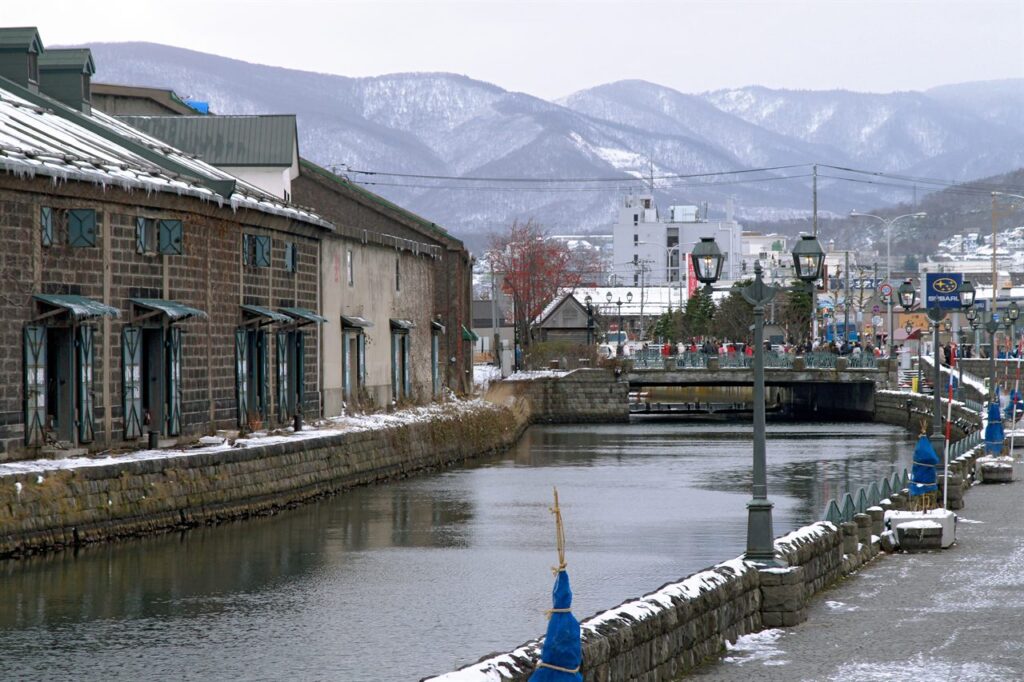
Choose your first stop in Otaru before choosing a train or highway bus from Sapporo. Otaru Station is a straightforward start for the canal; Minami-Otaru Station may suit a first stop around Sakaimachi Street or Marchen Crossroads. For the bus, check the exact Sapporo boarding stop and Otaru drop-off stop for your service.
JR or highway bus?
- JR: Useful when you want a station close to your first destination. Enter your travel date and Otaru or Minami-Otaru in JR Hokkaido’s route and timetable search; check that the actual train stops where you plan to get off.
- Highway Otaru bus: Worth checking when an official boarding stop in Sapporo is convenient for you. Services via Maruyama and Hokkaido University differ in their stops; open the operator’s Otaru routes and inspect the chosen run.
A published ride time does not include the walk to the platform or bus stop, waiting, or delays. You can use different modes in each direction if the return point still fits your luggage and next appointment.
Choose an Otaru station from the first address
The Otaru Tourism Association lists Otaru-Chikko, Minami-Otaru and Otaru as rail stops. Otaru Station is an easy starting point for a first canal walk. The association describes Minami-Otaru as convenient for Sakaimachi Street and Marchen Crossroads.
Its route from Minami-Otaru heads down a slope towards Marchen Crossroads. If you will climb back after shopping, consider bags, rain and snow. Put the actual shop or bridge into your map instead of searching broadly for “Otaru sightseeing”.
Check the vehicle and payment before you go
Train: “Airport” is a service name, so read the displayed destination and stops at Sapporo Station. An ordinary unreserved seat uses the normal fare; the reserved u-seat needs an additional seat ticket. Check the service and current charge with JR Hokkaido.
Sapporo and Otaru are within JR’s Kitaca area. JR lists several interoperable IC cards, but SAPICA does not work at JR Kitaca-area gates. Check your own card and use the same card at entry and exit.
Bus: The operator says IC cards can be used on Highway Otaru services; with an eligible card, touch the reader when boarding and again when leaving. Otherwise the fare is paid on exit. Confirm your card, route, stop and timetable on the operator’s current page. A full bus may mean waiting for another service, so leave room before a fixed appointment.
Plan the return before adding stops
- Save the first Otaru address and your destination back in Sapporo.
- Check outbound and return services for your date on the railway and bus operators’ pages; note the actual station or stop.
- If you store a bag, add its collection point and deadline to the return route.
- On the day, recheck train or bus operating notices. Drop an extra photo or shop stop if the journey changes.
For a canal, meal and one-extra-stop itinerary after you arrive, read our unhurried Otaru day-trip guide.
An optional walk after arrival
If you want to explore the port’s history with a guide, this English-guided Otaru day or evening walk starts and ends near Otaru Station. It is a separate paid activity; transport from Sapporo is not included. The daytime and evening options have different durations and meeting times. Check the product for your date before choosing.
This article contains an affiliate link. We may receive a referral fee if you book through it.
Official sources checked 9 October 2026: JR Hokkaido, Hokkaido Chuo Bus and the Otaru Tourism Association. This is a planning guide, not a firsthand trip report. Recheck travel-day times, fares, operation and product conditions with the providers.