
Finding a restaurant you want to try is only the beginning. At the entrance you may wonder whether to sit down, buy a meal ticket or wait for someone. At the table, ordering may use a server, screen or QR code. You do not need to memorise every system; work through entering, ordering and paying one step at a time.
Check each restaurant’s own ordering and payment cues.
Wait for staff direction or follow the seating sign.
Use the available menu and confirm what you are ordering.
Notice whether payment is at the table or register and which methods are accepted.
Pay as directed before leaving, then check your belongings.
Menus, service practices and accepted cards differ by restaurant.
This guide follows a first restaurant visit from stating the party size to completing the bill. Start by telling staff how many people are with you and whether you have a reservation. Ask about unfamiliar controls before an order is finalised.
The meal is familiar; the starting point may differ
A meal-ticket restaurant may use a machine near the entrance: choose and pay, then give the ticket to staff. With a server, order from the menu. With a table screen or QR menu, selecting a dish may not send it; look for confirmation or the order history. Follow the actual equipment and restaurant instructions.
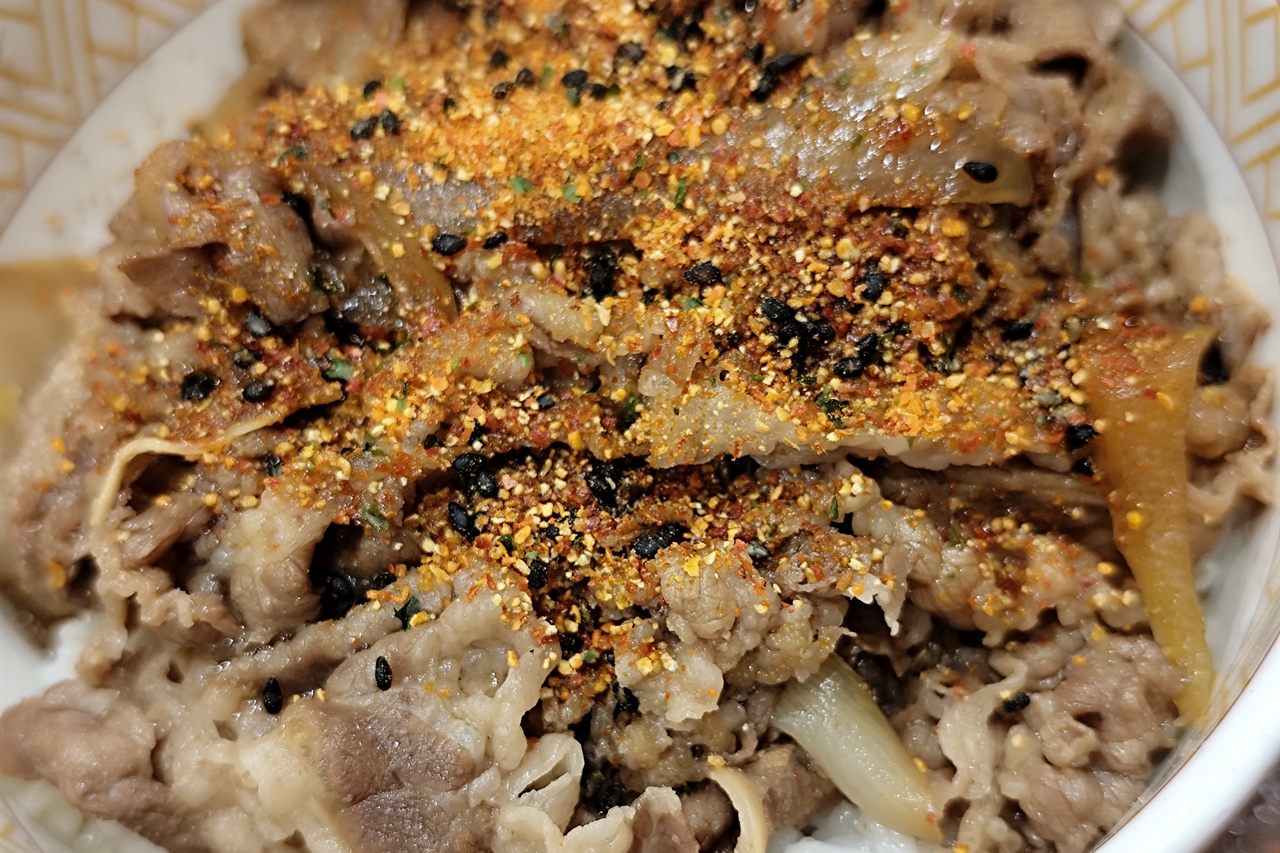
Teishoku describes a set meal, often combining a main dish with rice and soup, but contents differ. Before adding a side seen in a photograph, read what the set includes. Separating a single dish from a set also helps judge quantity.
A small dish arriving first is not automatically a free gift. Some restaurants serve a charged otoshi appetiser. Ask about its price and whether it is per person before ordering. This is a restaurant-specific arrangement, not one system followed by every Japanese restaurant.
Want to book before you go?
Use the restaurant’s official booking route and check the date, party size, meal plan and cancellation conditions first. Sending a request or joining a waiting list does not itself reserve a table. Our guide to confirmation, changes, cancellation and late arrival walks through the next steps. If you are visiting without a booking, continue below.
At the entrance: tell staff your group size
An empty table may be reserved or not ready. Wait for guidance and say how many people are with you. If you booked, give the reservation name. If there is a waiting list or reception screen, check whether to write your name or take a number before joining a queue.
Ask where to put a large suitcase instead of leaving it in the aisle. If you need a particular seating arrangement, explain before sitting down.
Find the ordering system before paying
At a meal-ticket machine, check the menu, quantity and accepted payment method. Keep the ticket or order number. Some places ask you to hand the ticket to staff; others transmit the order automatically. Read the instructions after purchase rather than assuming buying the ticket finishes every step.
For table service, choose your dishes, then get staff’s attention with “すみません” (sumimasen, excuse me). A call button, tablet or QR menu may be available. Use the restaurant’s own ordering instructions.
Check whether a picture shows a single dish or a set including rice, soup or a drink. Point to the item and ask about the contents before ordering if it is unclear.
Water and otoshi are different things
Sapporo’s official visitor guide describes the water and hand towel offered after seating as complimentary. This is different from ordering a bottled drink from the menu.
At some izakaya, お通し (otoshi) is a small starter associated with a cover charge. Do not assume it is free because you did not order it. Ask about the amount and conditions before sitting or ordering if this affects your choice. Whether you can decline it depends on the restaurant.
Ask where to pay
If there is a bill on the table, check whether to take it to the register. Without a paper bill, staff may already have it at the register or may arrange table payment. “お会計をお願いします” means “The bill, please.”
Ask about your preferred card or payment method before ordering. Separate bills are not guaranteed, so discuss splitting payment before staff start processing it. In ordinary Japanese restaurants, tipping is not customary; pay the bill and thank the staff. An otoshi or service charge is a separate billed item, not a tip.
If you make a mistake
Tell staff promptly if you selected the wrong dish. Ask whether a change is still possible; cancellation after ordering or cooking has started depends on the venue. If a bill item is unclear, point to that line and ask what it covers.
If you cannot eat an ingredient, discuss the specific ingredient before ordering. A photo or translated dish name does not establish what is in the meal.
Japanese labels to recognise
| Japanese | Meaning |
|---|---|
| 食券 | Meal ticket. Check what to do with it after purchase. |
| 先払い・後払い | Pay before / after the meal. |
| 売り切れ | Sold out; the item is unavailable. |
| お通し・席料 | Starter/cover or seating charge; ask about terms and amount. |
| お会計・レジ | The bill / cash register. |
| ラストオーダー | Last order time, which is separate from closing time. |
Phrases you can show staff
- 「2人です。予約はしていません。」 There are two of us. We do not have a reservation.
- 「これはセットですか? ご飯は付きますか?」 Is this a set? Does it include rice?
- 「カードで払えますか?」 Can I pay by card? Show the card type you intend to use.
- 「この料金について教えてください。」 Please explain this charge. Point to the relevant bill item.
A small order note for two people sharing
For a shared meal, separate individual staple dishes, shared plates and drinks in a note. Read the set contents, then add extras one by one. You can ask whether another dish may be ordered later instead of ordering every pictured side immediately.
On a screen, check dish names, quantities and sizes at the final confirmation. If you do not know whether an item was merely selected or sent, show the order history to staff. Repeated taps while waiting can create an unwanted duplicate.
For allergies, communicate the particular ingredient and the need to address cross-contact during preparation. A dish name or photograph is not enough. If the restaurant cannot clarify accommodation, choose an alternative before eating. Distinguish a preference from an ingredient you must avoid for health reasons.
At the end, ask whether to take the bill to a register or pay at the table, then check the receipt. Ask about splitting payment before the bill is processed. The same three moments will help you approach the next restaurant too.
Small details that make the day easier
An extra noodle order may not be a second bowl
At shops offering kaedama, the extra order is noodles for the remaining broth. Ichiran’s official explanation is one concrete example. Check your actual shop’s menu before ordering; kaedama is not a universal service at every ramen restaurant.
If the portion is uncertain, ask what the basic bowl includes and whether you can add noodles or rice later. Keep the main meal, toppings and extras separate on your order note. A dramatic food photo can combine paid additions that are not part of the displayed base price.
Plan to eat the quantity you order
For sharing, ask about portion size and ordering conditions before adding every dish you saved online. You can also ask whether a smaller portion is available. This is easier than relying on taking unfinished food back to the hotel.
Japan’s food-loss guidance treats taking leftovers home as something to discuss with the restaurant, including food-management responsibilities and the shop’s precautions. Ask what is possible and follow its explanation; it is not an automatic right for every dish. If you cannot keep the food under the required conditions while sightseeing, choose a quantity you can finish at the table.
Official sources checked 3 October 2026: Ichiran kaedama explanation / Food-loss and leftovers guidance
Official information and scope
This guide combines official information and planning proposals. No newly added passage claims a firsthand visit or ride. Check fares, services, opening hours and facility conditions for your travel date.